

Many men feel confused when they face sexual health, urinary, or fertility problems. They often wonder whether they should visit a sexologist or a urologist. This confusion is common because both specialists may deal with male health, reproductive concerns, and sexual function, but their focus is not exactly the same.
Choosing the right doctor matters because the cause of a problem may be physical, psychological, hormonal, relationship-based, or a combination of these. For example, erectile dysfunction may be linked to blood flow, diabetes, prostate issues, stress, anxiety, or fear of failure. Premature ejaculation may be caused by performance anxiety, habits, sensitivity, or sometimes medical conditions. A proper evaluation helps identify the real cause and avoid unnecessary treatments.
What Is A Sexologist?
A sexologist is a specialist who focuses on sexual health, sexual dysfunction, intimacy concerns, and the emotional or behavioral factors that affect sexual life. A qualified sexologist helps patients understand problems related to desire, arousal, ejaculation, erection, fear, confidence, and relationship stress.
Many sexual problems are not only physical. A man may have normal physical health but still experience performance anxiety, premature ejaculation, low confidence, or difficulty in married life. In such cases, a sexologist can provide counseling, sex therapy, behavioral guidance, and medical treatment where appropriate.
A sexologist may commonly help with:
- Premature ejaculation
- Erectile dysfunction related to anxiety or mixed causes
- Low sexual desire
- Non-consummated marriage
- Sexual performance fear
- Relationship and intimacy concerns
- Masturbation-related worries
- Male sexual dysfunction
The goal is not only to treat the symptom but also to understand the mind-body connection behind sexual health.
What Is A Urologist?
A urologist is a medical doctor who diagnoses and treats diseases of the urinary tract and male reproductive organs. This includes the kidneys, bladder, urethra, prostate, testes, and penis. Urologists also treat many physical causes of male sexual and fertility problems.
If a patient has pain during urination, blood in urine, kidney stones, prostate enlargement, testicular pain, urinary infection, or structural reproductive issues, a urologist is usually the right specialist. Urologists can perform medical tests, prescribe medicines, and provide surgical treatment when needed.
A urologist may commonly treat:
- Urinary tract infections
- Kidney stones
- Prostate problems
- Blood in urine
- Testicular swelling or pain
- Male infertility due to physical causes
- Erectile dysfunction caused by blood flow or nerve issues
- Structural problems of male reproductive organs
In simple words, a urologist focuses more on physical and medical conditions, while a sexologist focuses more on sexual function, behavior, emotions, and relationship-related factors.
Sexologist vs Urologist: Key Difference

The main difference between a sexologist and a urologist is their area of focus. A urologist usually treats physical problems of the urinary and reproductive system. A sexologist focuses on sexual performance, sexual confidence, emotional barriers, relationship issues, and sexual dysfunction.
For example, if a man has burning urination, blood in urine, or kidney pain, he should see a urologist. But if he has premature ejaculation, fear of intercourse, performance anxiety, or non-consummated marriage, a sexologist may be more suitable.
However, the difference is not always black and white. Some patients need both specialists. A man with erectile dysfunction may need medical testing from a urologist and sexual counseling from a sexologist. A patient with infertility may need semen analysis, hormone testing, and sexual function assessment together.
When Should You Visit A Sexologist?
You should consider visiting a sexologist when your main concern is related to sexual performance, ejaculation control, desire, confidence, intimacy, or married life. Many men delay treatment because they feel embarrassed, but sexual problems are medical concerns and can often improve with proper guidance.
A sexologist can help when the problem affects your confidence, relationship, or quality of life. The consultation is usually focused on understanding your symptoms, sexual history, mental stress, relationship factors, and possible physical causes.
Premature Ejaculation
Premature ejaculation is one of the most common reasons men visit a sexologist. It happens when a man ejaculates earlier than desired and feels unable to control it. Some men ejaculate before penetration, while others ejaculate within a short time after intercourse begins.
A sexologist can evaluate whether the cause is anxiety, sensitivity, habit, relationship stress, or another medical factor. Treatment may include counseling, behavioral techniques, medication, or a combined plan. Patients can also read more about premature ejaculation treatment to understand this condition in detail.
Performance Anxiety
Performance anxiety happens when a man becomes overly worried about whether he will perform well during intimacy. This fear can lead to erection difficulty, early ejaculation, avoidance of intimacy, and loss of confidence.
A sexologist helps the patient understand the cycle of fear and physical response. When anxiety decreases, sexual control and confidence often improve.
Low Sexual Desire
Low sexual desire can be caused by stress, relationship problems, hormonal imbalance, depression, lifestyle factors, or medical conditions. A sexologist can help identify whether the issue is emotional, physical, or both.
If there are signs of hormonal imbalance, fatigue, or erectile issues, medical testing may also be recommended.
Non-Consummated Marriage
Non-consummated marriage is a sensitive issue in which a couple is unable to complete intercourse after marriage. This may happen due to fear, anxiety, lack of sexual knowledge, erectile difficulty, vaginismus, pain, or relationship pressure.
A sexologist is often the right specialist for this concern because treatment may require counseling, education, gradual guidance, and sometimes medical support. More details are available on non-consummated marriage treatment.
When Should You Visit A Urologist?
You should visit a urologist when symptoms suggest a physical problem in the urinary tract, prostate, kidneys, bladder, testicles, or male reproductive organs. These symptoms should not be ignored because they may indicate infection, stones, inflammation, prostate disease, or other medical conditions.
A urologist can perform physical examinations, urine tests, ultrasound, semen analysis, hormone tests, or other investigations depending on the condition.
Painful Urination Or Blood In Urine
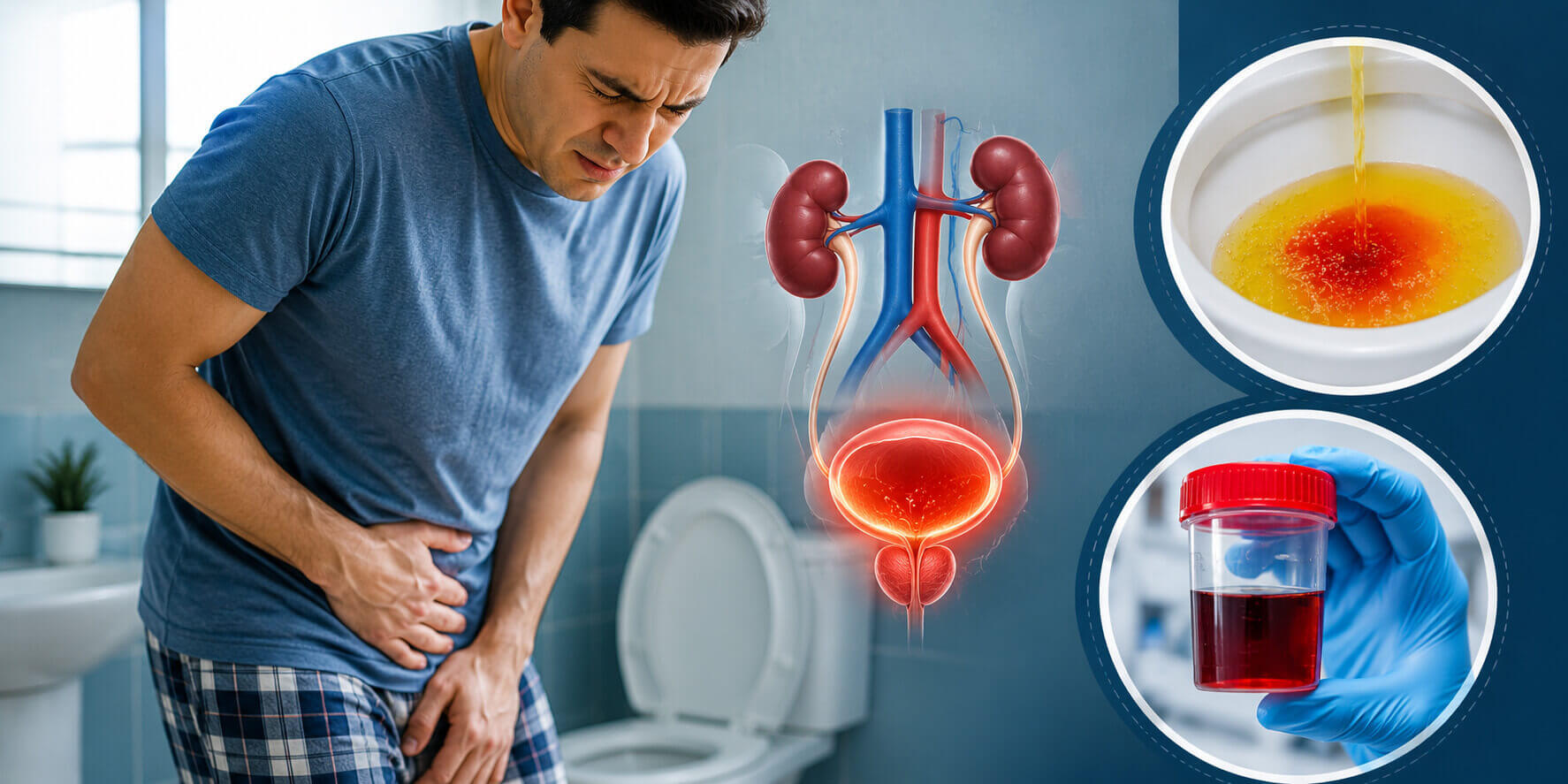
Burning urination, frequent urination, or blood in urine should be evaluated by a urologist. These symptoms may be linked to infection, stones, bladder problems, or other urinary tract conditions.
Sexual health symptoms sometimes appear with urinary symptoms, so proper diagnosis is important before starting treatment.
Testicular Pain Or Swelling
Pain, swelling, heaviness, or lumps in the testicles should be checked by a urologist. These symptoms may be caused by infection, injury, varicocele, fluid collection, or other conditions.
A patient should not rely on home remedies if pain is persistent or severe.
Prostate Problems
Men with frequent urination, weak urine flow, nighttime urination, pelvic discomfort, or prostate-related symptoms may need a urologist. Prostate issues can also affect sexual function and ejaculation in some cases.
This is one reason sexual symptoms should be assessed carefully instead of being treated with random medicines.
Erectile Dysfunction: Sexologist Or Urologist?
Erectile dysfunction can be treated by either a sexologist or a urologist depending on the cause. If the problem is mainly physical, such as diabetes, poor blood flow, nerve damage, hormonal imbalance, or prostate disease, a urologist may be needed.
If the problem is linked to stress, fear, anxiety, relationship conflict, or performance pressure, a sexologist may be more suitable. Many men have mixed erectile dysfunction, where both physical and psychological factors are involved.
A good evaluation looks at both sides. This prevents the patient from using temporary pills without understanding the real cause. Men who want more information can explore erectile dysfunction treatment and understand why professional diagnosis is important.
Premature Ejaculation: Which Specialist Is Better?
For premature ejaculation, a sexologist is usually the first choice, especially when the issue is related to anxiety, lack of control, early sexual habits, relationship pressure, or psychological stress. A sexologist can guide the patient through techniques, counseling, and suitable treatment.
However, if premature ejaculation is linked with infection, prostate inflammation, thyroid problems, erectile dysfunction, or other physical symptoms, medical evaluation may also be needed. In some cases, a urologist may be involved.
The best approach is to treat the cause, not just the timing. Delay sprays or tablets may give temporary support, but they do not always solve the underlying issue.
Male Infertility: Who Should You Consult?
Male infertility can involve sperm count, sperm motility, sperm shape, hormone levels, sexual function, ejaculation problems, or structural conditions. Because of this, infertility may require combined expertise.
A urologist may evaluate physical and structural causes such as varicocele, obstruction, testicular issues, or hormonal concerns. A sexologist may help when infertility is linked with erectile dysfunction, premature ejaculation, non-consummated marriage, low desire, or difficulty completing intercourse.
At times, couples may also need assisted reproductive options. Patients looking for fertility support can read more about IUI treatment and how it may help selected couples.
Can A Sexologist And Urologist Work Together?
Yes, in many cases both specialists can work together. Sexual health is not always limited to one cause. A patient may have a physical medical condition and emotional stress at the same time.
For example, a man with diabetes may develop erectile dysfunction due to blood flow or nerve changes. After repeated failure, he may also develop performance anxiety. In this situation, medical treatment alone may not fully restore confidence. Counseling, reassurance, and sexual guidance may also be needed.
Similarly, a man with premature ejaculation may develop avoidance behavior and relationship stress. Even if medicine helps, counseling can improve long-term control and confidence.
How To Choose The Right Specialist

The easiest way to decide is to look at your main symptom. If the symptom is urinary, painful, structural, or related to the prostate, kidneys, bladder, or testicles, a urologist is usually the right doctor. If the symptom is sexual performance, ejaculation control, desire, intimacy, or married life, a sexologist may be more suitable.
You may consider this simple guide:
- Burning urination, blood in urine, kidney stones: urologist
- Premature ejaculation, performance anxiety, non-consummated marriage: sexologist
- Erectile dysfunction: sexologist or urologist depending on cause
- Male infertility: may need both
- Low desire with stress or relationship issues: sexologist
- Testicular pain or swelling: urologist
- Sexual fear or confidence problem: sexologist
If you are unsure, starting with a qualified specialist who can assess both sexual and medical history is a practical first step.
Why Choosing The Right Specialist Matters
Choosing the right specialist helps you get the correct diagnosis faster. Many men waste time using unverified medicines, herbal products, or temporary performance pills without understanding the actual cause of their problem.
This can delay treatment and increase anxiety. Some problems, such as infections, prostate disease, hormonal imbalance, or fertility issues, need proper medical evaluation. Other problems, such as performance anxiety, premature ejaculation, and non-consummated marriage, may need counseling and sex therapy.
The right specialist can help you avoid confusion, protect your health, and improve your confidence.
Why Patients Choose Nasim Fertility Center
Nasim Fertility Center provides confidential consultation for male sexual health, infertility, erectile dysfunction, premature ejaculation, non-consummated marriage, and related reproductive concerns. Dr. Farooq Nasim Bhatti brings more than 30 years of experience in clinical sexology and sexual dysfunction treatment, with consultation options in Lahore, Islamabad, and Faisalabad. Patients can discuss sensitive concerns in a private, respectful setting and receive guidance based on their condition rather than relying on guesswork or temporary solutions.
Frequently Asked Questions
What Is The Difference Between A Sexologist And A Urologist?
A sexologist focuses on sexual dysfunction, performance anxiety, intimacy, ejaculation control, desire, and relationship-related sexual concerns. A urologist focuses on urinary tract diseases, prostate problems, kidney stones, testicular issues, and physical conditions of the male reproductive system.
Is A Sexologist A Medical Doctor?
It depends on the person’s qualification. Some sexologists are medical doctors with training in sexual medicine, while others may be counselors, therapists, or educators. Patients should check qualifications before consultation.
Can A Urologist Treat Erectile Dysfunction?
Yes, a urologist can treat erectile dysfunction, especially when it is linked to blood flow, hormones, diabetes, nerve problems, prostate issues, or structural causes. If anxiety or relationship stress is involved, a sexologist may also help.
Who Should I See For Premature Ejaculation?
A sexologist is usually the right specialist for premature ejaculation, especially when the issue is related to anxiety, control, habits, or sexual confidence. If there are urinary or prostate symptoms, a urologist may also be needed.
Who Treats Male Infertility?
Male infertility may be treated by a urologist, fertility specialist, or sexologist depending on the cause. If infertility is linked to sperm problems, structural issues, or hormones, medical evaluation is needed. If it is linked to sexual dysfunction, a sexologist can help.
Can Anxiety Cause Erectile Dysfunction?
Yes, anxiety can cause or worsen erectile dysfunction. Fear of failure, stress, relationship pressure, and past negative experiences can affect erection and sexual performance.
Can I Consult A Sexologist Online?
Yes, many sexual health concerns can be discussed through online consultation, especially premature ejaculation, performance anxiety, relationship concerns, and follow-up guidance. Physical examination may be needed if symptoms suggest a medical issue.
What Is A Male Private Part Doctor Called?
A doctor who treats male private part problems may be a urologist, andrologist, or sexologist depending on the issue. For urinary pain, swelling, or structural problems, a urologist is suitable. For sexual performance concerns, a sexologist may be more relevant.
Do I Need Both A Sexologist And A Urologist?
Some patients may need both. For example, erectile dysfunction can have both physical and psychological causes. Male infertility may involve sperm health and sexual function together.
Which Doctor Is Better For Sexual Problems?
The better doctor depends on the cause. If the problem is physical or urinary, a urologist may be better. If the problem involves ejaculation control, anxiety, intimacy, or sexual confidence, a sexologist may be more suitable.
Conclusion
A sexologist and a urologist both play important roles in male health, but they are not the same. A urologist treats physical and urinary system problems, while a sexologist focuses on sexual function, performance, confidence, intimacy, and relationship-related concerns.
If you have blood in urine, testicular pain, kidney stones, or prostate symptoms, a urologist is usually the right choice. If you have premature ejaculation, performance anxiety, non-consummated marriage, or sexual confidence concerns, a sexologist may be more suitable.
The most important step is to stop guessing and seek proper evaluation. With the right specialist and timely treatment, many sexual and reproductive health problems can be managed effectively.