
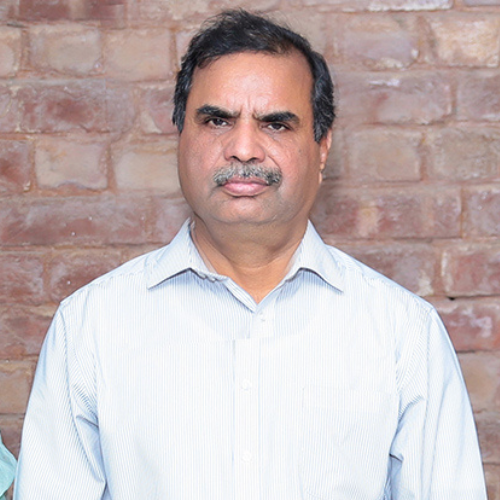
Dr Farooq Nasim Bhatti
M.B.B.S(PK) | F.A.A.C.S(USA) | Diplomat: The American Board of Sexology (USA) | CST (Hong Kong) | C.RM. (Beijing) | C.ART. (Malaysia).
Azoospermia Treatment in Pakistan
Seeing “zero sperm,” “no sperm seen,” or “azoospermia” on a semen analysis can be alarming. However, a zero sperm count does not explain why sperm are absent, and it does not automatically mean that biological fatherhood is impossible.
Azoospermia has different causes, and treatment depends on identifying the exact problem. Dr. Farooq Nasim Bhatti provides azoospermia treatment in Pakistan through detailed male fertility evaluation and a personalized treatment plan based on the type and cause of azoospermia.
Nasim Fertility Center provides consultations in Lahore, Islamabad, and Faisalabad, with online consultation available for patients living elsewhere in Pakistan.
Have You Been Told Your Sperm Count Is Zero?
Azoospermia means that sperm are not detected in the semen. Patients may see different wording on their semen analysis report, including:
- Zero sperm count
- Nil sperm count
- No sperm seen
- Absent sperm
- Azoospermia
The important question is not simply whether the sperm count is zero. The next question is why sperm are not appearing in the semen.
In some men, sperm are being produced but cannot reach the semen because of a blockage. In others, sperm production inside the testes is reduced or severely impaired. Hormonal, genetic, medical, surgical, and reproductive factors can also contribute.
That is why taking medicines or supplements without establishing the cause may delay appropriate treatment.
Can Azoospermia Be Treated?
Yes, some forms of azoospermia can be treated, while other cases may require assisted reproductive treatment to help a couple achieve pregnancy.
There is no single azoospermia treatment that is right for every patient. Treatment depends on whether the problem involves sperm production, sperm transport, hormones, obstruction, testicular function, or another underlying condition.
For some men, treatment may help sperm return to the ejaculate. In other situations, sperm may be retrieved directly from the reproductive tract or testes and used with assisted reproductive techniques such as ICSI.
The purpose of evaluation is therefore to determine which options are realistic for your individual condition, rather than offering the same treatment to every patient.

Why Choose Dr. Farooq Nasim Bhatti for Azoospermia Treatment in Pakistan?
Male infertility requires more than looking at a sperm count alone. The semen analysis is only one part of the investigation.
Dr. Farooq Nasim Bhatti has more than 30 years of experience in male reproductive and sexual health. His approach focuses on identifying the underlying reason for infertility before recommending treatment.
Patients with azoospermia are assessed according to their medical history, fertility history, semen findings, examination, hormone status, previous treatments, and other investigations where required.
Treatment is then planned according to the patient’s diagnosis rather than based on a standard fertility package.
Couples can also be evaluated together when female fertility factors may influence the overall treatment plan.
Have a zero sperm report? Bring your previous semen analysis and fertility records for review.
Feel free to reach out for consultation anytime!
Obstructive and Nonobstructive Azoospermia Require Different Treatment
One of the most important steps in treating azoospermia is determining whether it is obstructive or nonobstructive.
Although both conditions result in no sperm being found in the ejaculate, the reason for the problem can be completely different.
Obstructive Azoospermia
In obstructive azoospermia, sperm production may be normal, but sperm cannot enter the semen because there is a blockage somewhere in the reproductive tract.
Possible causes may include previous infection, surgery, injury, congenital abnormalities, or blockage of the ducts that transport sperm.
Depending on the location and cause of obstruction, treatment may involve correction of the blockage or sperm retrieval for assisted reproduction.
Nonobstructive Azoospermia
In nonobstructive azoospermia, the main problem is sperm production within the testes.
Potential causes include hormonal abnormalities, genetic conditions, testicular damage, previous infections, certain medications, chemotherapy, radiotherapy, or other medical conditions.
Some patients may still have small areas within the testes where sperm production is occurring. Identifying the cause and assessing testicular function helps determine whether medical treatment or sperm retrieval should be considered.
Can a Man With Zero Sperm Count Have a Biological Child?
A diagnosis of azoospermia does not necessarily mean that biological fatherhood is impossible.
For some men, treating an underlying hormonal or reversible cause may allow sperm to appear in the semen. Patients with an obstruction may have options involving reconstruction or surgical sperm retrieval.
Even in some cases of nonobstructive azoospermia, small areas of sperm production may remain within the testes and sperm retrieval may be possible.
However, no ethical fertility specialist can promise that sperm will be found or that treatment will result in pregnancy.
The chances depend on the type of azoospermia, its cause, testicular function, genetic factors, previous treatment, the sperm retrieval method, and female fertility factors.
A proper evaluation provides a much clearer understanding of your individual options.
What If Your Previous Azoospermia Treatment Did Not Work?
Many patients reach Nasim Fertility Center after taking medicines or supplements for months without a clear diagnosis.
Others may already have undergone hormone treatment, fertility procedures, sperm retrieval, or unsuccessful IVF or ICSI cycles.
A previous unsuccessful treatment does not necessarily mean that another treatment will work, but it may justify a careful reassessment.
Dr. Bhatti can review your previous:
- Semen analysis reports
- Hormonal tests
- Ultrasound findings
- Genetic reports
- Previous prescriptions
- Testicular biopsy or sperm retrieval reports
- IVF or ICSI records
The purpose is to understand what has already been investigated, what may still need evaluation, and whether another reasonable treatment pathway exists.
Why Choose Dr. Farooq Nasim Bhatti for Azoospermia Treatment in Pakistan?
Dr. Farooq Nasim Bhatti has more than 30 years of experience in male infertility, sexual health, and reproductive medicine. His approach to azoospermia focuses on identifying the underlying cause of zero sperm count before recommending treatment, whether the problem is related to obstruction, hormones, impaired sperm production, or another medical factor.
Patients receive confidential, personalized care with consultation options available in Lahore, Islamabad, Faisalabad, and online across Pakistan.
How Is Azoospermia Diagnosed?
A proper diagnosis prevents patients from going through repeated treatments without knowing what is actually causing the zero sperm count.
Your evaluation at Nasim Fertility Center may include the following steps depending on your individual situation.
Review and Confirmation of Semen Analysis
A previous semen analysis is reviewed carefully. In some cases, another properly performed semen analysis may be advised to confirm the finding.
A single abnormal report should be interpreted together with the patient’s medical and reproductive history.
Detailed Male Fertility History
Dr. Bhatti may ask about previous pregnancies, duration of infertility, childhood illnesses, infections, testicular problems, surgery, injuries, medications, sexual health, previous fertility treatment, and relevant family history.
These details can provide important clues about whether the problem is related to obstruction, sperm production, hormones, or another condition.
Physical Examination
A clinical examination may be performed to assess the testes and other parts of the male reproductive system.
Findings such as testicular size or abnormalities of the reproductive ducts can help guide further investigation.
Hormone Testing
Hormonal tests may include FSH, LH, testosterone, and other investigations when clinically indicated.
Hormone results can provide information about how the testes are functioning and whether an endocrine problem may be contributing to azoospermia.
Ultrasound and Additional Tests
Ultrasound or other imaging may be recommended if an obstruction or structural problem is suspected.
Selected patients may also require genetic testing, particularly when the clinical findings suggest severely impaired sperm production or a possible genetic cause.
Not every patient needs every test. Investigations should be selected according to the clinical picture.
Feel free to reach out for consultation anytime!
Azoospermia Treatment Near in Pakistan
If you are searching for azoospermia treatment near you in Pakistan, Nasim Fertility Center provides confidential male infertility consultations in Lahore, Islamabad, and Faisalabad, with online consultation available for patients from other cities.
Dr. Farooq Nasim Bhatti evaluates the underlying cause of zero sperm count and recommends treatment based on whether the condition is obstructive, nonobstructive, hormonal, or related to another reproductive health issue.
Get Help With Azoospermia Treatment in Pakistan
If your semen analysis shows zero sperm or azoospermia, the next step is to find out why. Dr. Farooq Nasim Bhatti provides personalized azoospermia treatment in Pakistan, with careful evaluation of hormonal, obstructive, testicular, and other male fertility factors to determine the most suitable treatment options for your condition.
What Our Patients Say
Saeed Akhtar
I got Married before 3 years but i have no baby, I get treatment form many hospital but no output, Then i consult with doctor Farooq in Nasim Fertility center. He give me treatment of infertility medicines, By the grace of Allah and By doctor my wife is now pregnant. Thanks
Ahmad Khan
I am so glad I found Dr. Nasim and his team – they have been wonderful. I don’t know where I would be without them. He is the best doctor and so knowledgeable. I’m still coming to see him for my own personal concerns, now that my wife and I are trying to get pregnant!
Innayat Khan
Explore Research of Dr. Nasim Bhatti on Causes and Treatment of Sexual Diseases (جنسی امراض)
Videos of Dr. Farooq Nasim Bhatti explaining Sexual Diseases and their Treatment
- Introduction
- Masturbation (مشت زنی)
- Erectile Dysfunction or Impotence (مردانہ کمزوری یا نامردی)
- Premature Ejaculation (سُرعتِ انزال یا قبل از وقت انزال)
- Sexual Dysfunction (جنسی کمزوری)
- Non-Consummated Marriage
- Spermatorrhea (DHANT OR JARYAN - دھانت یا جریان)
- Vaginusmus (اندام نہانی کا غیر ارادی سکڑاؤ)
- Venous Leakage (وریدی رساؤ)
- Infertility (بانجھ پن)
- Other Topics
