
Booking an appointment for erectile dysfunction can feel uncomfortable, especially when you are unsure what the doctor will ask or what tests may be required. Many men delay seeking treatment because of embarrassment, fear of judgment, or the belief that erection problems will resolve without professional help.
A first appointment for erectile dysfunction treatment in Pakistan is usually private, respectful, and focused on understanding why the problem is happening. The doctor will discuss your symptoms, medical history, medications, lifestyle, emotional health, and relationship concerns before recommending a personalized treatment plan.
Knowing what to expect can make the consultation less stressful and help you communicate openly. The goal is not to judge your sexual performance. It is to identify possible physical and psychological causes and determine which treatment is most suitable for your health.
What Is Erectile Dysfunction?
Erectile dysfunction, commonly called ED or male impotence, is the repeated difficulty in getting or maintaining an erection firm enough for satisfactory sexual intercourse. An occasional erection problem may happen because of fatigue, stress, illness, or temporary anxiety. It does not always mean that a man has a permanent medical condition.
ED becomes a concern when erection difficulties happen regularly, continue for several weeks or months, or begin affecting confidence and marriage. The condition can involve difficulty getting an erection, losing firmness during intercourse, or having an erection that is not strong enough for penetration.
There are several types of erectile dysfunction, and the likely cause can differ from one patient to another. Some men have erection problems because of poor blood circulation or diabetes. Others may have normal physical function but struggle because of performance anxiety, stress, fear, or relationship pressure.
When Should You See A Doctor For Erectile Dysfunction?
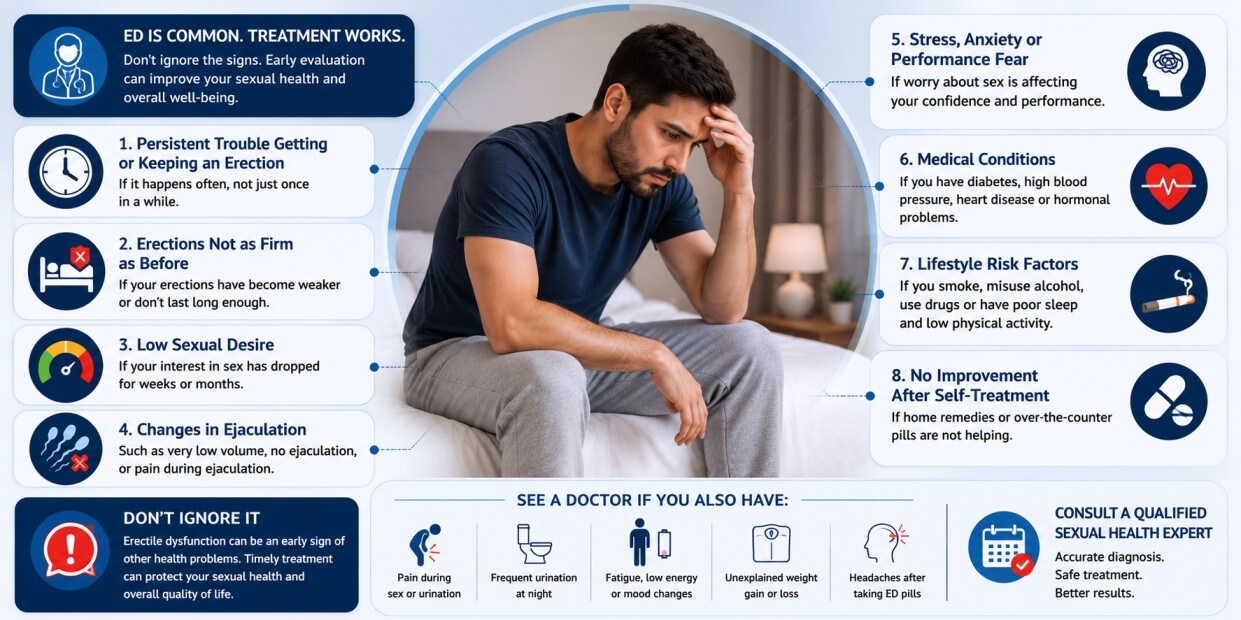
You should consider consulting a qualified doctor when erection difficulties happen repeatedly or begin affecting your emotional wellbeing and intimate relationship. Waiting too long can increase anxiety and make a treatable problem feel more difficult.
A medical consultation is especially important if ED develops suddenly, continues for three months or longer, or occurs alongside reduced sexual desire, premature ejaculation, penile pain, curvature, infertility, or urinary symptoms. Men with diabetes, high blood pressure, obesity, heart disease, or hormonal concerns should also avoid ignoring persistent erection problems.
ED can sometimes be connected to general health. For example, the relationship between erectile dysfunction and diabetes involves changes in blood vessels, nerves, hormones, and circulation. A proper assessment can therefore provide useful information about both sexual and overall health.
How To Prepare For Your First Appointment
You do not need to make complicated preparations before your consultation. However, collecting a few details beforehand can help the doctor understand your situation more accurately.
Be prepared to explain when the erection problem began, whether it happens every time or only in certain situations, and whether you still experience morning or spontaneous erections. It may also help to note whether your sexual desire has changed and whether ejaculation occurs normally.
Bring Details About Your Medical History
Tell the doctor about any diagnosed health conditions, previous operations, injuries, or treatments. Conditions affecting circulation, nerves, hormones, or emotional health may contribute to ED.
Important medical details may include:
- Diabetes or high blood sugar
- High blood pressure or heart disease
- Thyroid or hormonal disorders
- Prostate or urinary problems
- Pelvic surgery, injury, or spinal problems
Do not leave out a health condition because you believe it is unrelated. Even sleep problems, long-term pain, depression, or recent illness can influence sexual function.
Make A List Of Your Medicines
Some medicines can affect sexual desire, hormone levels, blood pressure, or the ability to maintain an erection. Bring the names or photographs of prescription medicines, over-the-counter products, vitamins, herbal remedies, and sexual enhancement supplements you currently use.
Never stop prescribed medicine without speaking to your doctor. If a particular medicine may be contributing to ED, the doctor can discuss safer options or coordinate with the healthcare professional who prescribed it.
Be Ready For Personal Questions
The doctor will probably ask personal questions, but these questions are necessary for diagnosis. You may be asked about your sexual history, relationship, stress, pornography use, masturbation habits, smoking, alcohol consumption, physical activity, and quality of sleep.
Honest answers help the doctor separate physical ED from psychological or situational erection difficulties. Information shared during a professional consultation should be treated confidentially.
What Happens During Your First ED Consultation?
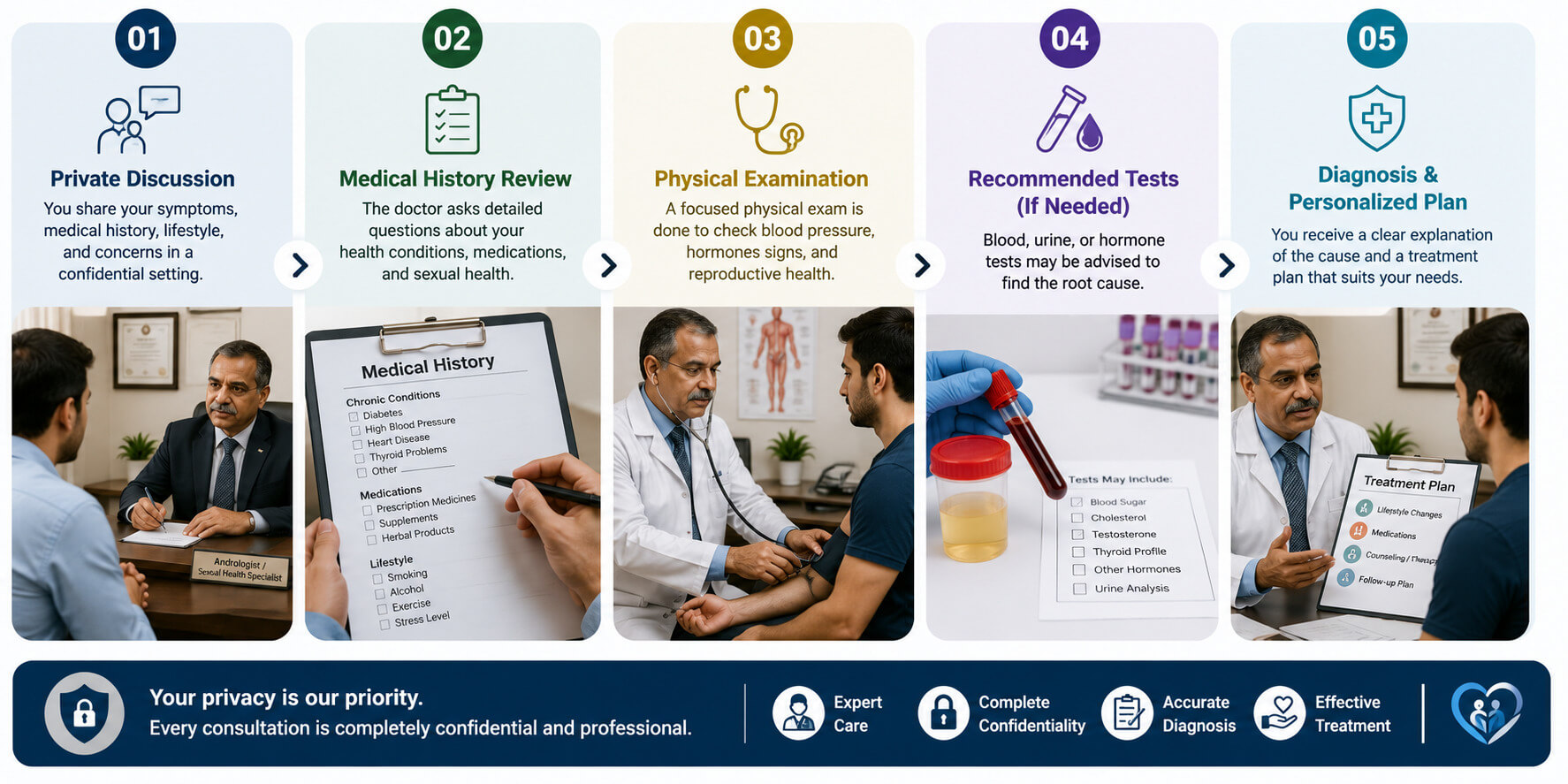
The first consultation usually begins with a detailed conversation rather than immediate testing or treatment. The doctor needs to understand the complete pattern of your symptoms before deciding what should happen next.
Many men expect an uncomfortable examination or an instant prescription. In reality, much of the first appointment is spent discussing symptoms, identifying risks, correcting misconceptions, and deciding whether any tests are necessary.
A Private Discussion About Your Symptoms
The doctor may ask whether you can achieve an erection during masturbation, whether erections are present in the morning, and whether the problem occurs with every sexual attempt. These details provide clues about whether physical, psychological, or mixed factors are involved.
You may also be asked whether the erection becomes weak before penetration, during intercourse, or after a particular thought or fear. Men who experience erection loss mainly during partnered sex may be dealing with performance anxiety even when their physical erection system is functioning normally.
When guilt, fear, relationship conflict, or anxiety appears to be important, the doctor may consider findings associated with psychogenic erectile dysfunction while planning treatment.
A Focused Physical Examination
A physical examination is not always extensive. The doctor may check your blood pressure, weight, pulse, body hair pattern, and general physical condition. These checks can reveal possible cardiovascular, hormonal, or metabolic concerns.
When necessary, the doctor may briefly examine the penis and testicles for physical abnormalities, reduced sensation, changes in testicular size, penile curvature, or other signs that may affect sexual function. A prostate examination is not required for every patient and is usually considered according to age, urinary symptoms, and medical history.
What Tests May Be Recommended?
Not every patient needs multiple tests during the first appointment. In many cases, the doctor can form an initial assessment through medical history, symptoms, and examination. Tests are requested when they can help confirm a suspected cause or rule out an underlying condition.
The number of tests does not reflect how serious the problem is. A younger patient with situational ED may require fewer investigations than an older patient with diabetes, high blood pressure, reduced libido, and no morning erections.
Blood Tests
Blood tests may be used to check blood sugar, cholesterol, testosterone, thyroid function, and other relevant markers. These tests help identify diabetes, hormonal imbalance, and cardiovascular risk factors that could interfere with erections.
Testosterone testing is not automatically required for every case. It is more likely to be considered when ED occurs with low sexual desire, fatigue, reduced muscle strength, changes in body hair, or other signs of hormonal difficulty.
Urine Tests
A urine test may be advised when the doctor suspects diabetes, infection, kidney problems, or urinary concerns. It is generally a simple investigation and may be combined with blood testing when broader health screening is needed.
Penile Doppler Ultrasound
A penile Doppler ultrasound evaluates blood flow to and from the penis. It is not routinely performed during every first consultation. The doctor may recommend it later if symptoms suggest a blood flow problem, venous leakage, injury, or poor response to initial treatment.
The test should be requested for a clear medical reason. Advanced testing without a proper history can create unnecessary cost and anxiety without improving treatment decisions.
Understanding The Possible Cause Of ED
Erectile dysfunction can have physical, psychological, or combined causes. A successful treatment plan depends on identifying the factors involved instead of treating every patient with the same tablet.
Physical Causes Of Erectile Dysfunction
An erection requires healthy blood vessels, nerves, hormones, and sexual stimulation. A problem in any part of this system can reduce erection quality.
Common physical factors include diabetes, high blood pressure, cardiovascular disease, obesity, hormonal imbalance, nerve damage, medication side effects, and some prostate conditions. The effect of erectile dysfunction and age may also become more noticeable as chronic health conditions and circulation problems increase.
Age itself does not mean a man must accept ED without seeking treatment. Older men may still respond well when the underlying health issues are identified and managed properly.
Psychological Causes Of Erectile Dysfunction
Stress, depression, performance anxiety, guilt, relationship conflict, fear of pregnancy, and negative sexual experiences can interrupt arousal. A man may begin with one unsuccessful sexual experience and then develop a repeated cycle of worry and erection loss.
Psychological ED is real and should not be dismissed as imagination. Anxiety activates the body’s stress response, which can work against the relaxed state required for a firm erection. Treatment may include counselling, sex therapy, couple support, and gradual rebuilding of sexual confidence.
Lifestyle Factors
Smoking can affect blood vessels, while inactivity and obesity may contribute to poor cardiovascular health, low energy, and hormonal changes. Sleep deprivation and chronic stress can also reduce sexual desire and performance.
Improving sexual health through daily habits may support medical treatment. However, lifestyle changes should not be presented as a guaranteed cure when a patient has diabetes, significant hormonal problems, nerve damage, or another medical condition.
What Treatment May Be Recommended First?
The first-line treatment depends on the suspected cause, medical history, and severity of ED. Many patients receive a combination of health advice, medical management, and psychological support rather than one isolated treatment.
Lifestyle And Health Management
The doctor may advise regular exercise, weight management, better sleep, smoking cessation, and improved control of diabetes or blood pressure. These changes support circulation and overall sexual health.
Lifestyle improvement takes time, but it can strengthen the results of other treatments. Men with obesity may also benefit from understanding how weight affects sexual health, libido, hormone balance, and fertility.
Oral ED Medicines
Medicines such as sildenafil or tadalafil may be considered when they are medically suitable. These drugs help support the natural erection response, but they do not create sexual desire and do not work without stimulation.
ED medicines are not safe for everyone. They can interact dangerously with nitrate medicines used for chest pain and may require caution in men with certain heart, liver, kidney, or blood pressure conditions. The dose and timing should therefore be decided by a qualified doctor.
Buying unverified tablets online or using products recommended by friends can expose patients to counterfeit ingredients, incorrect doses, and avoidable side effects.
Counselling And Sex Therapy
Counselling may be recommended when performance anxiety, relationship stress, fear, or emotional pressure contributes to erection problems. It can be used alone in selected cases or alongside medical treatment.
Sex therapy helps patients understand arousal, reduce pressure around penetration, and rebuild confidence gradually. Couple involvement can also be useful when both partners are comfortable and relationship communication is affecting intimacy.
Research into psychosocial care for diabetic ED also reflects the importance of addressing emotional and relationship factors alongside physical health.
Additional Treatment Options
When first-line care is not enough, the doctor may discuss other options such as vacuum erection devices, hormonal treatment for confirmed deficiency, penile injections, specialist procedures, or surgery in selected cases.
Shockwave therapy and other newer options are often heavily advertised, but they are not automatically suitable for every patient. A treatment should be selected because it matches the diagnosis, not because it is presented as the latest or fastest solution.
How Long Does ED Treatment Take?
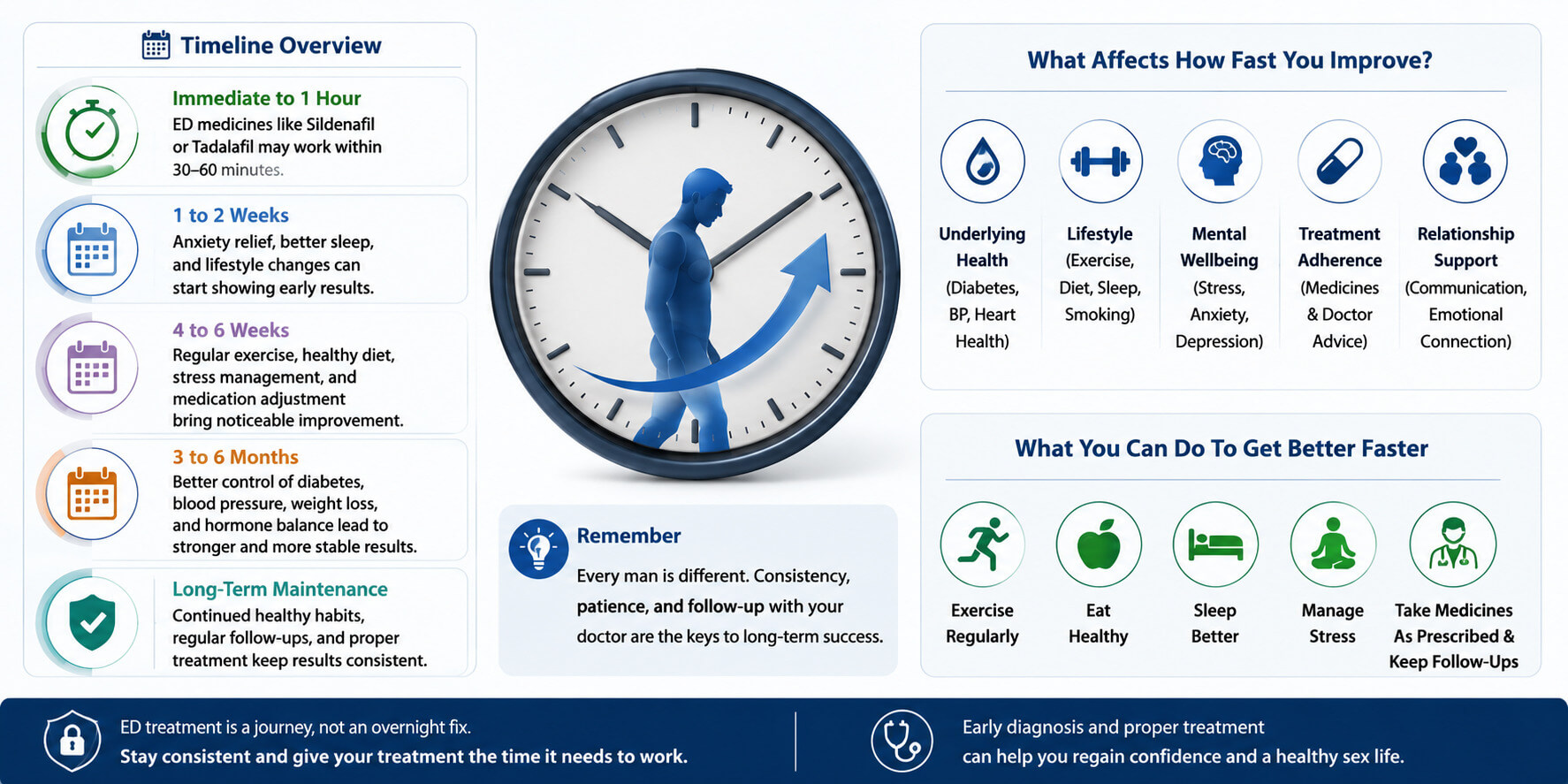
The treatment timeline varies. Some men notice improvement after correcting medicine use or beginning a suitable ED treatment. Others need several weeks or months to manage diabetes, anxiety, hormonal problems, relationship stress, or lifestyle factors.
Follow-up appointments allow the doctor to review progress, check side effects, adjust treatment, and decide whether further testing is required. A poor response to the first treatment does not necessarily mean ED cannot improve. It may mean the cause needs further assessment or the treatment plan needs adjustment.
Common Mistakes To Avoid Before Your Appointment
Men often try several products before visiting a qualified doctor. This can make diagnosis harder and may expose them to unsafe ingredients.
Avoid these common mistakes:
- Taking ED tablets without medical screening
- Using multiple herbal products at the same time
- Hiding medicines or health conditions from the doctor
- Assuming every erection problem is caused by testosterone
- Ignoring diabetes, blood pressure, or heart symptoms
- Expecting one dose to permanently cure ED
It is also important not to compare your sexual performance with misleading online claims. Erections can vary with age, stress, sleep, health, relationship comfort, and frequency of sexual activity.
Confidential ED Care At Nasim Fertility Center
Nasim Fertility Center provides confidential assessment for men experiencing erectile dysfunction, performance anxiety, sexual dysfunction, and related fertility concerns. Dr. Farooq Nasim Bhatti uses medical history, clinical evaluation, counselling, sex therapy, and appropriate medical management to develop treatment according to the individual patient. In-person consultations are available through clinics in Lahore, Islamabad, and Faisalabad, while online consultation can help patients who prefer to discuss their concerns privately before travelling.
Men seeking local care can also consult a qualified sexologist in Lahore for a structured evaluation instead of relying on temporary products or unverified online advice.
Final Thoughts
Your first appointment for erectile dysfunction treatment in Pakistan should provide clarity, not embarrassment. Expect a confidential conversation about your symptoms, health, lifestyle, emotional wellbeing, and relationship, followed by a focused examination or selected tests when necessary.
ED can result from circulation problems, diabetes, hormones, medicine side effects, stress, performance anxiety, or several factors acting together. Seeking qualified care allows the treatment to address the actual cause instead of offering only temporary support.
Early consultation can also help identify broader health concerns and prevent anxiety from becoming part of the problem. Honest communication, realistic expectations, and regular follow-up give the doctor the information needed to create a safer and more effective treatment plan.
Frequently Asked Questions
What Is The First-Line Treatment For Erectile Dysfunction?
First-line care may include lifestyle improvement, management of underlying health conditions, counselling, and oral ED medicines when medically suitable. The correct choice depends on the cause and the patient’s overall health.
What Do Doctors Do To Treat Erectile Dysfunction?
Doctors identify possible physical and psychological causes, review medicines and health conditions, perform a focused examination, request necessary tests, and create an individualized treatment plan.
What Is The Immediate Treatment For ED?
There is no single immediate treatment that is safe for every patient. Oral medicine may help some men, but a doctor should first review heart health, current medication, blood pressure, and other risks.
Will I Need Blood Tests At My First Appointment?
Not necessarily. Blood tests are commonly requested when diabetes, cholesterol, low testosterone, thyroid problems, or other medical causes are suspected.
Is Erectile Dysfunction Curable?
Some causes of ED can improve significantly or resolve with appropriate treatment. Other long-term conditions can often be managed successfully. The expected result depends on the underlying cause.
Can Stress Cause Erectile Dysfunction?
Yes. Stress and performance anxiety can interfere with arousal and make it difficult to achieve or maintain an erection, even when there is no major physical problem.
Can Young Men Experience ED?
Yes. Younger men may develop ED because of anxiety, depression, relationship pressure, medication side effects, hormonal issues, diabetes, smoking, or other causes.
Can Erectile Dysfunction Affect Fertility?
ED does not directly reduce sperm quality, but it can make intercourse and conception difficult. Men concerned about both erection problems and fertility should receive an assessment that considers both issues. The connection between erectile dysfunction and infertility depends on the individual situation.